
When you hear that $150 million in cryptocurrency has been frozen in the Philippines, it’s easy to think this is about crime, scams, or government overreach. But the real story is more complicated - and more telling about how fast crypto is growing, and how badly regulation is catching up.
What Exactly Got Frozen?
In early 2025, the Philippine Securities and Exchange Commission (SEC) took action against 20 unlicensed cryptocurrency exchanges. These weren’t shady offshore operations hiding in the dark. These were platforms actively serving millions of Filipinos - platforms like Bitget PH, Bybit Philippines, and others that had built local user bases but never got official approval. The frozen assets totaled $150 million. That’s not a random number. It’s roughly 0.14% of the entire Philippine crypto market, which had ballooned to ₱6 trillion ($107 billion) by March 2025. Most of the frozen money - 68% - was in stablecoins, mostly USDT and USDC. The rest? About 22% in Bitcoin, and 10% in altcoins like Ethereum, Solana, and Dogecoin. The funds were spread across Ethereum (45%), Binance Smart Chain (30%), and Tron (15%). This wasn’t a random audit. It was a targeted crackdown. The SEC had just issued two new rules in January 2025: SEC Memorandum Circular No. 4-2025 and No. 5-2025. These defined what a “crypto-asset” is - a digital token secured by cryptography, stored on a blockchain, and traded electronically - and who qualifies as a Crypto-Asset Service Provider (CASP). If you run a platform that lets people buy, sell, or trade crypto in the Philippines, you now need to register. No exceptions.Why Now? The Moratorium That Changed Everything
You might wonder: if this rule came out in January 2025, why didn’t people know about it sooner? The answer lies in a three-year pause. Back in September 2022, the Bangko Sentral ng Pilipinas (BSP), the country’s central bank, issued Memorandum No. M-2022-035. It froze all new licenses for Virtual Asset Service Providers (VASPs). That meant no new crypto exchanges could legally operate - but existing ones? They kept going. The market exploded anyway. With no clear rules and no enforcement, platforms filled the gap. Coins.ph, the market leader with over 20 million users, stayed licensed. But dozens of others - mostly foreign platforms with local marketing teams - set up shop without permission. They offered Filipino users low fees, referral bonuses, and easy mobile app access. Many users didn’t even know they were using unlicensed services. By January 2025, the BSP’s moratorium was set to expire on September 1, 2025. The SEC didn’t wait. They moved early. Their goal? Clean the house before the floodgates opened. They didn’t want to be stuck with hundreds of unregulated platforms suddenly becoming legal.Who Got Hit the Hardest?
The people who lost access to their funds weren’t criminals. They were everyday Filipinos. Reddit threads like “My $15k frozen in Bitget PH - What now?” got over 1,200 upvotes. Trustpilot reviews for the blacklisted platforms crashed from 4.2 stars to 1.3 in just six weeks. Common complaints? “No warning.” “No explanation.” “No way to get my money back.” The Philippine Consumer Welfare Association logged 3,215 formal complaints between January and June 2025. The average loss per person? $4,670. That’s not pocket change - it’s rent, school fees, medical bills. Worse, the recovery process was designed for tech-savvy users. To even start the process, you had to submit:- A government-issued ID
- Proof of ownership (blockchain transaction IDs)
- A sworn statement that your funds weren’t from illegal activity
The Irony: Filipinos Support Regulation - But Not This Way
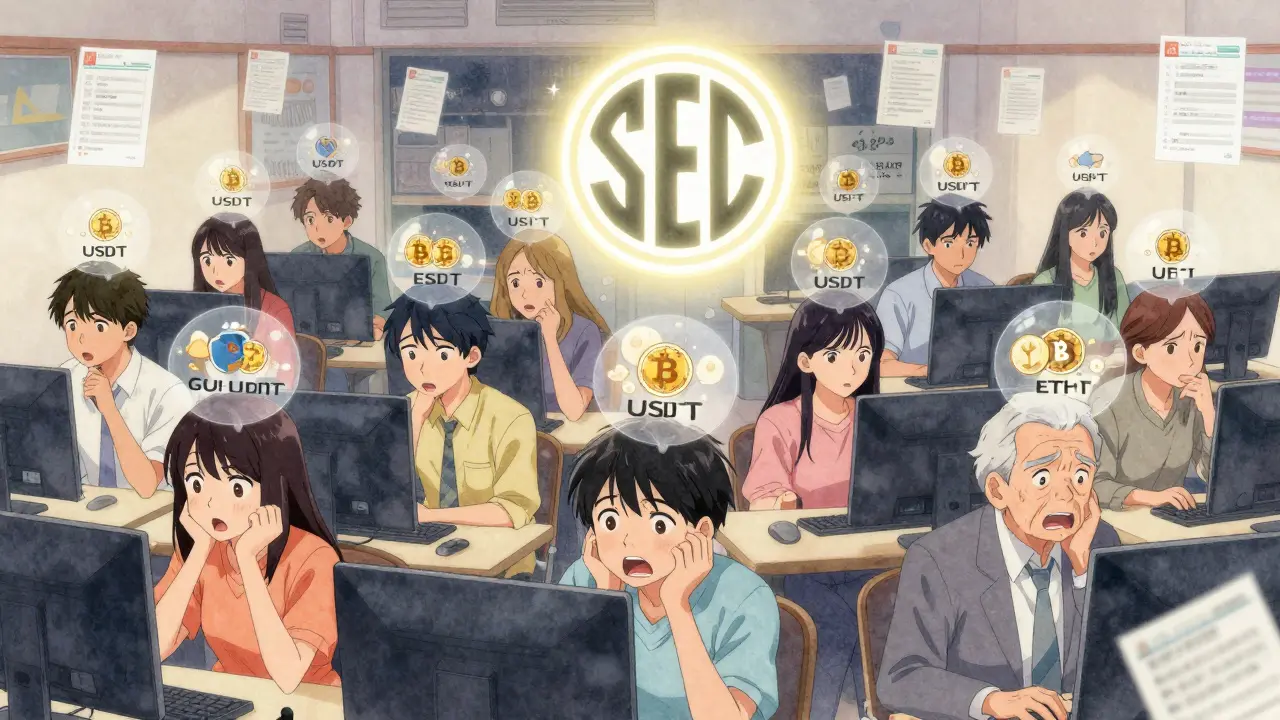
Here’s the twist: most Filipinos actually agree with the goal. The Association of Cryptocurrency Enthusiasts of the Philippines (ACEP) surveyed 5,000 users in June 2025. 62% said they supported regulatory enforcement. Why? Because scams were rampant. In 2025, global crypto theft hit $2.17 billion in the first half of the year. Chainalysis reported that the Philippines was becoming a hotspot for fraud. But 78% of those same users had no idea what the licensing rules were. They didn’t know they were using unlicensed platforms. They thought “Bitget PH” was just a local branch of a global company - not a foreign entity operating illegally. And here’s the biggest problem: the SEC didn’t warn anyone. No public campaign. No SMS alerts. No TV ads. Just a blacklisted list posted online. When users woke up and found their accounts frozen, they felt betrayed - not protected.How This Compares to Other Countries
The Philippines isn’t alone in freezing crypto. In 2024, the U.S. Treasury’s OFAC froze $150 million in USDT linked to sanctioned Russian entities. But that was about international crime - not local compliance. Singapore suspended Tokenize Xchange in July 2025 after finding customer funds mixed with company money. That’s a different issue - poor internal controls, not lack of registration. The Philippines’ move was unique. It was the first time a country froze $150 million in assets simply because the platforms didn’t have a license - even though those platforms were serving millions of real people. No other country has done that at this scale. Compare that to the UAE, where crypto firms moved after being banned elsewhere. Or to El Salvador, where Bitcoin is legal tender. The Philippines chose enforcement over openness. And that’s creating a rift.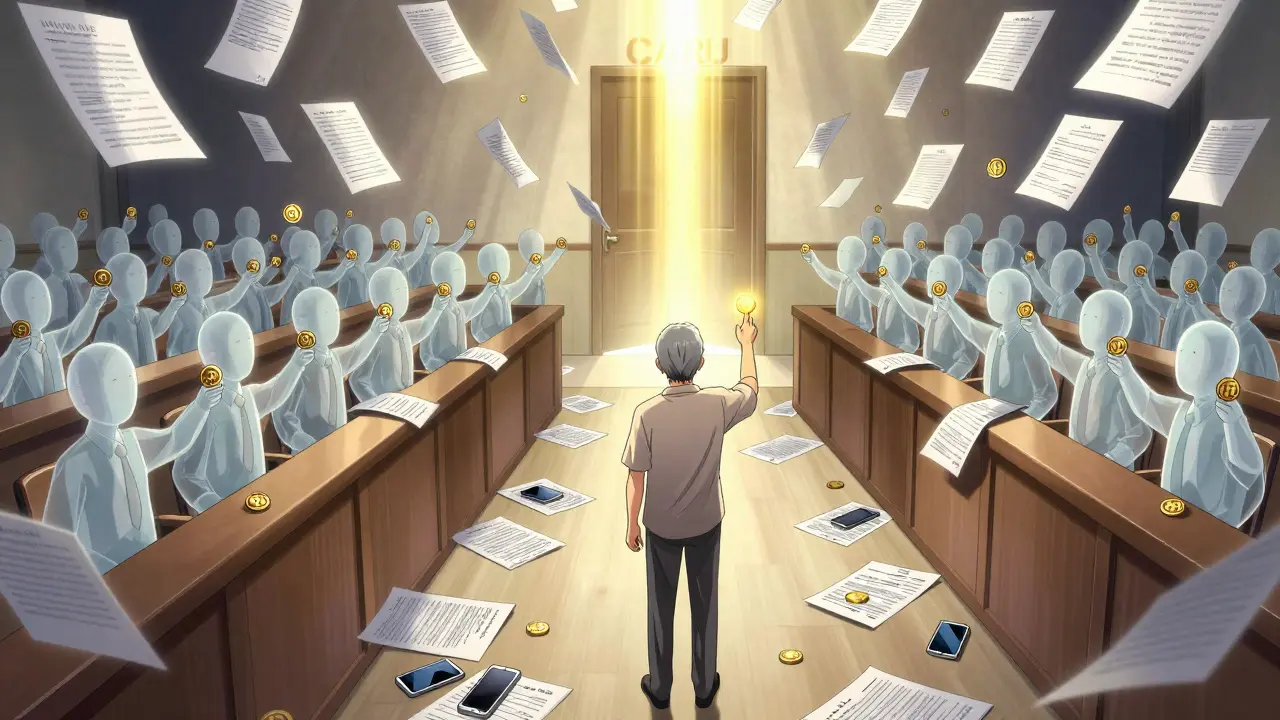
What Happens Next?
The SEC didn’t stop at freezing. On July 5, 2025, they announced a “Regulatory Sandbox” - a trial program starting September 15, 2025. Ten pre-vetted platforms will get temporary licenses while the full framework is built. This is a lifeline for legitimate businesses. Also on September 1, 2025, the BSP’s three-year VASP license moratorium officially ends. The first batch of license applications opens on September 15. That’s when the real test begins. The SEC says it plans to release verified funds starting November 1, 2025. But here’s the catch: you have to prove you’re clean. And you have to jump through hoops. Coins.ph, the only licensed major platform, saw support tickets spike 300%. Their average response time went from 12 hours to 72 hours. Legal challenges are coming. Bitget and Bybit have filed appeals. They argue they were never told they needed a license. They claim the SEC’s rules were buried in PDFs, not announced.What This Means for You
If you’re a Filipino crypto user: check if your platform is licensed. Go to the SEC’s official website. Look for the list of registered CASPs. If you’re on a platform that’s not on it - move your funds. Don’t wait for a freeze. If you’re a global investor: the Philippines is still one of the top 10 countries for crypto adoption. But now, it’s also one of the strictest. The market is big, but the risk is real. Don’t assume a platform with a local name is safe. If you’re a regulator: this case is a textbook example of what happens when enforcement outpaces communication. You can’t punish people for not knowing the rules - especially when those rules are hard to find.Final Thought: Regulation Isn’t the Enemy - Poor Communication Is
The $150 million freeze wasn’t about stopping crypto. It was about stopping chaos. The Philippines didn’t want to become the next hub for crypto scams. They wanted to build a real market. But they did it without telling the people. The lesson? Rules matter. But so does clarity. If you’re going to freeze $150 million, you need more than a PDF. You need a campaign. A hotline. A video. A simple checklist. You need to make sure the user knows what to do - before it’s too late. The market will recover. The licensed platforms will grow. But the trust that was lost? That might take years to rebuild.Why were $150 million in crypto assets frozen in the Philippines?
The Philippine Securities and Exchange Commission (SEC) froze $150 million in crypto assets in early 2025 after blacklisting 20 unlicensed cryptocurrency exchanges. These platforms were operating without proper registration under new rules (SEC MC No. 4-2025 and MC No. 5-2025) that required all crypto service providers to obtain official licenses. The action was taken to prevent fraud and protect consumers ahead of the expiration of a three-year licensing moratorium by the Bangko Sentral ng Pilipinas (BSP).
What types of crypto assets were frozen?
The frozen assets were mostly stablecoins - 68% of the total - primarily USDT and USDC. Bitcoin made up 22%, and altcoins like Ethereum and Solana accounted for 10%. The funds were spread across Ethereum (45%), Binance Smart Chain (30%), and Tron (15%) blockchain networks.
How can users recover their frozen funds?
Users must apply through the SEC’s Crypto Asset Recovery Unit (CARU) by submitting a government-issued ID, blockchain transaction records proving ownership, and a sworn statement that funds were not obtained illegally. As of July 2025, only 12% of affected users completed the process. Applications are processed in 47 days on average, with 34% rejected for incomplete documentation and 22% flagged for further investigation.
Are there any licensed crypto platforms in the Philippines?
Yes. Coins.ph is the largest licensed platform, serving over 20 million users. The SEC maintains an official list of registered Crypto-Asset Service Providers (CASPs) on its website. As of September 2025, the Bangko Sentral ng Pilipinas (BSP) began accepting new license applications after lifting its three-year moratorium.
Did the government warn users before freezing the assets?
No. The SEC did not run a public awareness campaign. The new licensing rules were published as legal documents, not consumer alerts. A June 2025 survey by the Association of Cryptocurrency Enthusiasts of the Philippines found that 78% of crypto users were unaware of the licensing requirements that led to the freeze.
What’s the difference between this and U.S. crypto freezes?
The U.S. Office of Foreign Assets Control (OFAC) freezes assets tied to sanctioned individuals or entities - like criminals or terrorist groups. The Philippines’ action targeted domestic platforms that simply didn’t have licenses, regardless of whether they were involved in crime. This was about compliance, not criminal investigation.
What’s next for crypto in the Philippines?
Starting September 15, 2025, the SEC launched a Regulatory Sandbox allowing 10 pre-approved platforms to operate under temporary licenses while final rules are written. The BSP lifted its three-year VASP license moratorium on September 1, 2025, and began accepting full license applications. The SEC plans to release verified funds starting November 1, 2025, but legal challenges from blacklisted exchanges could delay the process.
nalini jeyapalan
This is such a mess. The SEC acted like a SWAT team with a spreadsheet. They didn't warn people, didn't offer help, didn't even make a simple FAQ. And now thousands of regular Filipinos are stuck because they used a platform that looked legit? That's not regulation - that's negligence dressed up as enforcement.
I know people say 'crypto is risky', but this isn't about risk. This is about a government failing its citizens. Imagine if your bank froze your account because you didn't read a 47-page PDF no one told you existed. You'd be furious. And you should be.
The fact that 34% of recovery applications get rejected over missing transaction IDs? That's absurd. Most people don't know what a blockchain hash is. They just want their money back. The SEC should've launched a phone line, a walk-in center, a video tutorial in Tagalog. Instead, they made it a tech support nightmare.
And don't even get me started on the 68-year-old man who spent three weeks trying to prove he owned $8k in USDT. That's not a policy failure - that's a moral failure.
Regulation isn't evil. But when you freeze $150 million without a single public notice? You're not protecting people. You're punishing them for trusting a system that never bothered to earn their trust.
Christina Young
The real issue isn't the freeze. It's the lack of due diligence from users. If you're using an unlicensed platform, you're gambling. Period. No one forced them to deposit. They chose convenience over compliance. The SEC didn't create the problem - the market did.
Drago Fila
Hey, I get that the SEC had to act - but wow, what a brutal rollout. I’ve got cousins in Manila who lost their life savings in this. One’s a nurse, another’s a teacher. They thought Bitget PH was just the local version of Bitget. No one told them otherwise.
Look, I’m pro-regulation. I want crypto to be safe. But you can’t just drop a bomb like this and say ‘oops, you should’ve read the fine print.’ That’s not governance - that’s abandonment.
The Regulatory Sandbox is a good step. At least they’re trying to fix it. But they owe these people more than a form. They owe them clarity, compassion, and a real path home. This isn’t about crypto. It’s about dignity.
If you’re reading this and you’re in the Philippines - please, check the SEC’s official list. Don’t wait for another freeze. And if you’re outside the country? Don’t assume ‘local branding’ means local legitimacy. That’s how people get burned.
We need to do better. Not just for crypto. For each other.
Steven Lefebvre
Wait, so the SEC froze assets because platforms didn’t have licenses… but the BSP had a 3-year moratorium on issuing them? That’s not a policy. That’s a trap.
They created a vacuum, companies filled it, then they came in with a sledgehammer and said ‘you broke the rules.’ But the rules were buried under 12 layers of PDFs.
This is like telling people ‘you can’t drive’ while removing all road signs, then ticketing everyone who gets behind the wheel. The real failure here is leadership - not users.
And the recovery process? It’s designed for blockchain devs, not grandma with $8k in USDT. That’s not oversight. That’s exclusion.
At least they’re launching a sandbox now. But the damage is done. Trust is gone. And rebuilding that? That’s gonna take more than a website update.
Ken Kemp
so i just read this whole thing and honestly the sec didnt even try to help people like at all. i mean yeah licensing is important but like if you know people are using these platforms and you dont tell them its illegal then its on you. they shouldve sent sms alerts, put up posters in sari-sari stores, had a radio ad in tagalog. instead they just posted a pdf and vanished.
and the recovery process? you need a transaction hash? most people dont even know what that is. i bet half the people who lost money cant even open their crypto app anymore. and the 68 year old guy? that just broke my heart.
its not about crypto. its about how governments treat regular people. if you dont communicate, dont expect people to read your mind.
also i think coins.ph shoulda stepped up way sooner. they had the license. they had the trust. why didnt they help? why were they silent?
the sandbox is a start. but the real fix? apologize. loudly. and make it easy.
jonathan swift
THIS IS A GLOBALIST SCAM. 🤯 The SEC didn't freeze crypto - they froze YOUR FREEDOM. The real story? The IMF and World Bank pushed this to control cash flow in developing nations. That $150M? It's not gone. It's being rerouted into CBDCs. The Philippines is being turned into a financial lab. They didn't ban crypto - they replaced it with digital slavery.
Check the timestamps. The SEC moved right after the BSP moratorium expired. Coincidence? Nah. This was planned. The ‘recovery unit’? A trap to collect biometric data. You think they need your ID and transaction logs to ‘verify ownership’? They need it to track you. Forever.
They're coming for your crypto. Then your bank. Then your phone. Don't believe the narrative. This isn't regulation. It's control. 🚨
Datta Yadav
Oh please. You think this is about ‘trust’? This is about power. The SEC didn’t freeze assets to protect Filipinos - they froze them to eliminate competition. Coins.ph is the only licensed platform? That’s not a coincidence. That’s collusion. The BSP moratorium? A gift to a single company. The ‘unlicensed’ platforms? They were the real disruptors - offering lower fees, better UX, real local support. The SEC didn’t want regulation - they wanted monopoly.
And now they’re pretending to be the hero? ‘We’re protecting consumers!’ No. They’re protecting their friends. The 12% recovery rate? That’s not incompetence - that’s intentional obstruction. They want the money locked up. They want you desperate. They want you to crawl back to Coins.ph and pay their inflated fees.
This isn’t regulation. It’s corporate capture. The Philippines didn’t lose $150M in crypto. They lost their last chance at financial sovereignty.
And don’t you dare call it ‘poor communication.’ This was a calculated power grab. Wake up.
Lydia Meier
The article is well-structured and factually dense. However, the central thesis - that poor communication caused the crisis - is superficial. The root issue lies in the structural misalignment between decentralized financial infrastructure and centralized regulatory frameworks. The SEC acted within its statutory authority. The problem is not communication; it is the inherent incompatibility of unregulated crypto markets with sovereign monetary systems. Users assumed operational legitimacy without legal basis. That is not a failure of outreach - it is a failure of market participants to acknowledge jurisdictional boundaries.
Josh Moorcroft-Jones
Let’s be brutally honest here: the SEC didn’t ‘fail to communicate’ - they communicated perfectly. The rules were published. The legal documents were filed. The deadlines were stated. The problem isn’t that people didn’t know - it’s that they didn’t care. People use unlicensed platforms because they’re cheaper, faster, and more convenient. They knew it was gray. They just hoped they wouldn’t get caught.
And now, after the fact, everyone’s playing the victim? ‘I didn’t know!’ - well, neither did the guy who drove without a license after the DMV sent three letters. The system isn’t broken. The users are.
Also, the ‘68-year-old man’? Cute anecdote. But let’s not pretend that’s the norm. Most users were under 35. Tech-savvy. Smartphone users. They just didn’t want to do the work. Regulation isn’t a customer service portal. It’s a legal obligation. If you want to trade assets, you learn the rules. Or you stay out.
This isn’t a tragedy. It’s a market correction.
Rachel Rowland
Look I get why people are mad but honestly this was coming. The market was growing too fast. Scams were everywhere. I’ve seen friends lose everything to fake exchanges. The SEC had to act. The problem wasn’t the freeze - it was that no one prepared people for it. But you can’t have a wild west and then cry when the sheriff shows up.
Yes the recovery process sucks. Yes they should’ve done more. But the fact that 62% of users SUPPORT regulation? That’s the real win here. People want safety. They just didn’t know how to get it.
So instead of screaming at the SEC - help them. Share the checklist. Translate the forms. Teach your grandma how to find her transaction ID. This isn’t a government failure. It’s a community opportunity.
Let’s fix this together. Not blame. Build.
Bonnie Jenkins-Hodges
AMERICA WOULD NEVER LET THIS HAPPEN. 😤 We have rules. We have lawyers. We have rights. But in the Philippines? They just let some foreign app take your money and then freeze it like it’s nothing. This is why the world needs to stop trusting third-world governments. They don’t care about their people. They care about control.
And now they want you to ‘move your funds’? Like that’s the solution? No. The solution is to shut down the whole system and start over. With REAL laws. Not some PDF no one reads.
These people got scammed. And now the government is pretending they’re the hero. NO. They’re the enablers. They let this happen. And now they’re the ones holding your money hostage.
Wake up. This isn’t about crypto. It’s about corruption. And it’s everywhere.
Melissa Ritz
It’s ironic, really. The article spends 2,000 words dissecting a regulatory misstep - and yet somehow misses the fact that crypto itself is a speculative, unbacked asset class with no intrinsic value. The $150 million? It was never ‘real money.’ It was digital vapor. People got attached to a ledger entry. That’s not a tragedy - it’s a psychological phenomenon.
And now we’re treating this like a humanitarian crisis? The SEC didn’t freeze your house. Your car. Your child’s tuition. They froze a blockchain token. A number on a screen. If you can’t distinguish between wealth and illusion - maybe the problem isn’t the regulator.
Also, the ‘68-year-old man’? Probably just lost his pension to a Ponzi scheme. We’re romanticizing financial naivety here. And it’s exhausting.
Jeffrey Dean
There’s a deeper layer here. The freeze wasn’t about regulation. It was about identity. The Philippines, like many post-colonial nations, is struggling to assert economic sovereignty in a global system designed to extract value from them. Crypto offered a way out - decentralized, borderless, democratic.
But the SEC didn’t just freeze assets. They reasserted state control. They said: ‘You cannot escape the system. You must come back to us. You must submit. You must prove your legitimacy.’
The recovery form? It’s not paperwork. It’s a confession. You must swear your funds are clean. You must prove you are not a criminal. You must beg for permission to own what was yours.
This isn’t policy. It’s ritual. And the people? They’re being asked to kneel.
Brian T
Why are we even talking about this? It’s just crypto. People lose money all the time. Stocks crash. Real estate bubbles burst. Why is this any different? Because it’s digital? Because it’s new? Because it’s ‘decentralized’? That’s not a reason to panic.
The SEC did what any responsible authority would do. They enforced the law. The fact that people didn’t read the rules? That’s on them. The fact that they’re crying about it now? That’s on the media.
Stop treating crypto like it’s sacred. It’s not. It’s a gamble. And like any gamble - if you don’t know the house rules, you lose.
And if you think the government owes you a hand-holding tutorial before they enforce the law… you’re living in a fantasy.
Christina Young
Interesting how the ‘supportive’ comments ignore the fact that 78% of users didn’t know the rules - but 62% still supported regulation. That’s not ignorance. That’s apathy. They didn’t care enough to learn. Now they’re mad they got caught. That’s not a scandal. That’s human nature.