
Garantex Shutdown: What Happened and What It Means for Crypto Exchanges
When Garantex, a Russia-based cryptocurrency exchange that offered fiat on-ramps and high leverage trading shut down in 2024, thousands of users lost access to their funds overnight. It wasn’t a hack. It wasn’t a technical glitch. It was a collapse born from regulatory pressure, poor transparency, and a business model built on gray-area operations. Garantex claimed to serve traders in Russia and beyond, but it never fully complied with international AML standards. That’s what made it attractive — and dangerous.
Garantex’s downfall is a textbook case of how crypto exchange risks, the dangers of using platforms that avoid KYC and operate in regulatory blind spots can turn into real losses. Unlike Binance or Coinbase, which face public scrutiny and legal oversight, Garantex operated quietly, with little public reporting and no clear ownership structure. When Russian authorities cracked down on unlicensed VASPs, Garantex didn’t have the paperwork to prove it was legal. So it vanished. No warning. No refund process. Just a blank homepage and a silent customer service line.
This isn’t just about one exchange. It’s about what happens when traders choose convenience over safety. The same pattern repeats with regulated crypto exchange, platforms that follow legal frameworks and protect user assets through audits and insurance vs. those that don’t. Look at Cryptex, BigONE, and Slex — all had their own issues, but only the ones with real compliance stayed open. Garantex didn’t just fail. It exposed how many traders still believe "no KYC = more freedom," when in reality, it often means "no recourse."
If you’ve ever used a platform that didn’t ask for ID, you’re not alone. But after Garantex, you should ask: Who backs this exchange? Where is their legal license? What happens if they disappear tomorrow? The posts below dive into exchanges that shut down, ones that barely survived, and others that learned the hard way. You’ll see what red flags to watch for, how to spot a shell company pretending to be a crypto platform, and which exchanges actually have skin in the game. This isn’t theory. It’s what happened — and what you need to avoid.
Russian Sanctions and Crypto Exchange Access Limitations: How Garantex, Grinex, and A7A5 Got Blocked
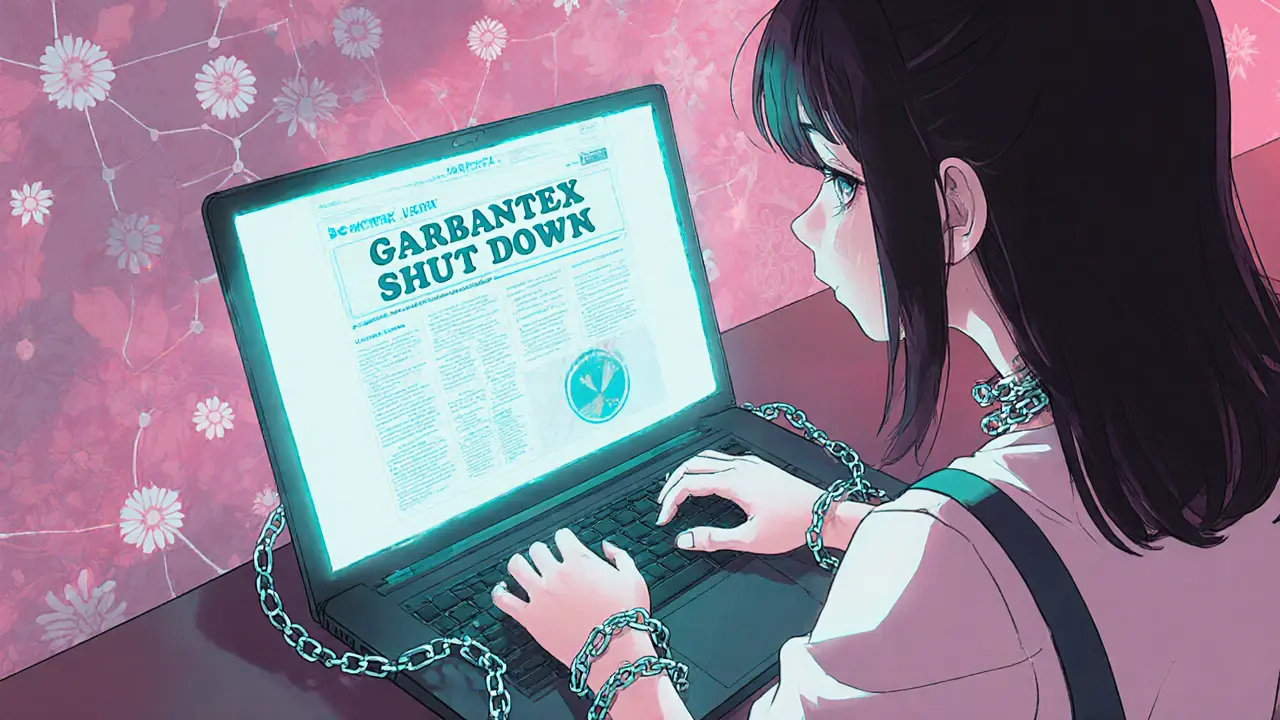
U.S. sanctions have shut down Russian crypto exchanges like Garantex and Grinex, targeting their leaders, successor platforms, and the A7A5 stablecoin used to evade restrictions. Over $8 billion flowed through this network - now under intense scrutiny.