

Have you heard of PolyZap, the crypto exchange that promises quick profits? If so, stop right there. You might be walking into a trap. The biggest problem with PolyZap is that it isn’t an exchange at all. It’s a token called PZAP, and the data suggests it’s heading straight for zero. In this review, we’ll cut through the noise and show you exactly why you should probably stay away.
The Big Confusion: Token vs. Exchange
First things first: let’s clear up the terminology. Many people search for "PolyZap crypto exchange" because they see ads or social media posts claiming it’s a platform where you can trade. But here is the truth. PolyZap Finance (PZAP) is a cryptocurrency token, not a trading platform. Think of it like this: Bitcoin is a coin; Coinbase is the store where you buy it. PolyZap is just the coin. It doesn’t have its own website for trading, its own customer support team for withdrawals, or its own security infrastructure for your funds.
So, where do you actually buy it? You find PZAP listed on major exchanges like Binance or Bitget. This distinction matters because if you’re looking for a reliable place to park your money, you need an exchange, not a speculative token. Mixing these two up is how many beginners lose their savings.
Price Predictions: The Red Flags Are Everywhere
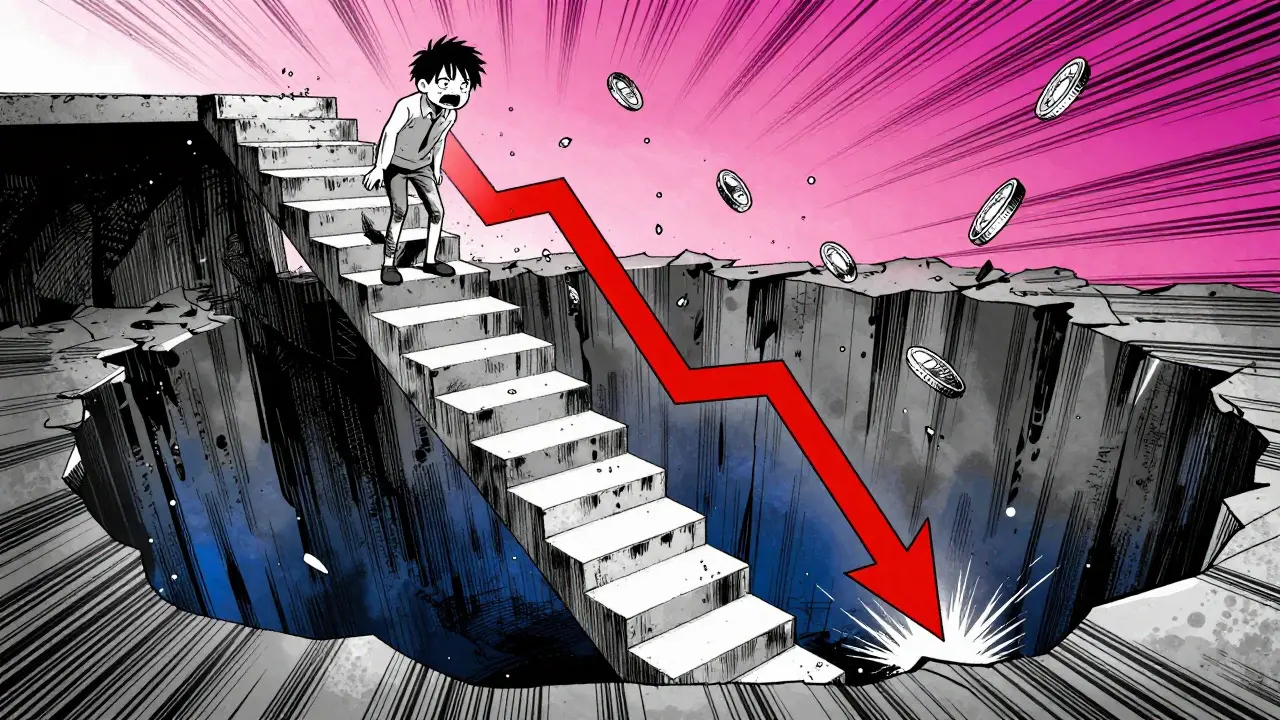
Let’s talk numbers, because they don’t lie. When I looked at the latest market data for PZAP, the outlook was bleak. Bitget’s price prediction model-a tool used by many traders to gauge future value-shows PolyZap Finance expected to reach $0 by December 2025, April 2026, and September 2026. That’s not a slight dip; that’s a total wipeout.
Why such a harsh prediction? The monthly growth rate for PZAP is sitting at a meager 0.42%. In the fast-moving world of crypto, stagnation is death. Legitimate projects usually show volatility, but they also show volume and interest. PZAP has neither. Without active buyers, liquidity dries up, and the price collapses. It’s a classic sign of a project that has lost its momentum or, worse, never had any real utility to begin with.
| Feature | PolyZap (PZAP) | Binance / Bitget |
|---|---|---|
| Type | Cryptocurrency Token | Crypto Exchange Platform |
| Primary Function | Speculative Asset | Trading & Storage |
| Price Trend (2025-2026) | Declining toward $0 | Stable/Growing Infrastructure |
| User Support | None (Token only) | 24/7 Customer Service |
| Regulatory Status | Unverified/Low Trust | Heavily Regulated/KYC Required |
The Silence Speaks Volumes: Lack of Expert Analysis
Here is a trick I use when vetting new crypto projects: look for the experts. Who is talking about it? For legitimate tokens, you’ll find whitepapers, developer documentation, and reviews from respected analysts. For PolyZap? Crickets. There is a notable absence of expert analysis from authoritative sources. In the crypto world, silence is often louder than hype.
Consider the context. The UK Financial Conduct Authority (FCA) released a report in 2025 highlighting a 37% year-over-year increase in reported crypto scams. They specifically warned against platforms and tokens that lack transparency. While PZAP wasn’t named as a top-tier scam in every headline, its profile fits the pattern of low-quality assets that get swept up in fraudulent schemes. Tokens without substantial market presence are prime targets for "rug pulls," where developers abandon the project and take the liquidity with them.
User Experience: What Happens When You Buy?
If you ignore the warnings and decide to buy PZAP anyway, what does the experience look like? Technically, it’s easy. You go to an exchange like Bitget, connect your Ethereum-compatible wallet, and swap USDT for PZAP. But the ease of buying masks the difficulty of selling.
Users on forums like Reddit frequently report issues with low-liquidity tokens. One common complaint is the inability to sell holdings when the price crashes. Imagine trying to sell a house in a neighborhood where no one wants to buy-you might have to slash the price drastically just to exit. With PZAP, the bid-ask spread can be huge, meaning you lose value the moment you try to trade. Plus, there is no dedicated customer support for the token itself. If something goes wrong with your transaction, the exchange will say, "It’s just a token, not our fault." You’re on your own.
Better Alternatives: Where Should You Trade Instead?
Instead of gambling on a dying token, consider using established exchanges that offer real utility. Here are three solid options that dominate the market in 2026:
- Binance: With over 600 deposit methods and institutional-grade liquidity, Binance remains the giant in the room. Yes, it requires KYC (Know Your Customer) verification, but that adds a layer of security. Their Trust Score system helps users avoid shady coins.
- Bybit: Known for better trading systems and generous bonuses (up to $30,000 in some promotions), Bybit is great for active traders. Just note that they restrict users from the US and UK, so check your eligibility.
- MEXC: If you value privacy, MEXC offers no-KYC experiences for withdrawals under 20,000 USDT daily. It supports over 4,000 trading pairs, giving you access to newer projects without the hassle of identity checks for smaller amounts.
These platforms aren’t perfect, but they have infrastructure, insurance funds, and regulatory compliance. They are places where you can trade safely, rather than hoping a random token won’t vanish overnight.

How to Spot a Crypto Scam Before You Lose Money
Learning from the PolyZap example, here is a checklist to protect yourself from similar traps:
- Check the Entity Type: Is it an exchange or a token? If it’s a token, who backs it? Look for a verified development team on LinkedIn or GitHub.
- Analyze Liquidity: Use tools like CoinGecko or CoinMarketCap. If a token has no price history or extremely low volume, walk away. Low liquidity means you can’t sell when you need to.
- Look for Independent Reviews: Don’t trust YouTube influencers paid to promote a coin. Search for "token name + scam" or "token name + reddit". Real user complaints are hard to fake.
- Verify Regulatory Warnings: Check lists from bodies like the FCA or SEC. If a project is flagged, treat it as guilty until proven innocent.
- Diversify: Never put more than 1-2% of your portfolio into high-risk, low-cap tokens. Treat it like lottery tickets, not investments.
Final Verdict: Stay Away from PolyZap
So, is PolyZap a legit crypto exchange? No. It’s a failing token with a price prediction of zero. While it trades on reputable exchanges like Binance and Bitget, its presence there doesn’t validate its quality-it just means those exchanges list thousands of assets, including risky ones. For most investors, especially beginners, PZAP offers nothing but risk. Save your capital for projects with clear roadmaps, active communities, and transparent teams. Your wallet will thank you later.
Is PolyZap a safe place to store my crypto?
No. PolyZap (PZAP) is a token, not a storage solution or exchange. Storing value in a token predicted to hit $0 is highly unsafe. Use hardware wallets or reputable exchanges like Binance for storage.
Where can I buy PolyZap (PZAP)?
You can buy PZAP on exchanges like Bitget and Binance. However, due to its declining value, most experts advise against purchasing it unless you understand the high risk of total loss.
Why is the price of PolyZap going down?
The price is dropping due to low liquidity, lack of utility, and negative market sentiment. Prediction models suggest it may reach zero by late 2025 or 2026 as investor interest fades.
Is PolyZap a scam?
While not officially labeled a scam by regulators yet, it exhibits many red flags associated with fraudulent projects, such as lack of transparency, no expert backing, and a trajectory toward zero value. Treat it with extreme caution.
What is a better alternative to PolyZap?
If you want to trade crypto, use established exchanges like Binance, Bybit, or MEXC. If you want to invest, look for tokens with strong fundamentals, active development, and high liquidity, such as Bitcoin or Ethereum.