

Searching for "Win (WIN) crypto" can feel like walking into a room where everyone is shouting different names. You might see a price chart on one site and a completely different number on another. The confusion isn't your fault. The ticker symbol WIN belongs to at least three distinct cryptocurrency projects running on separate blockchains. They share a name, but they do not share a purpose, a supply, or a future.
If you are about to buy WIN tokens, stop for a second. Buying the wrong one means your money goes into an ecosystem you didn't intend to support. This guide breaks down exactly which WIN token is which, so you know what you are holding.
The Three Faces of WIN
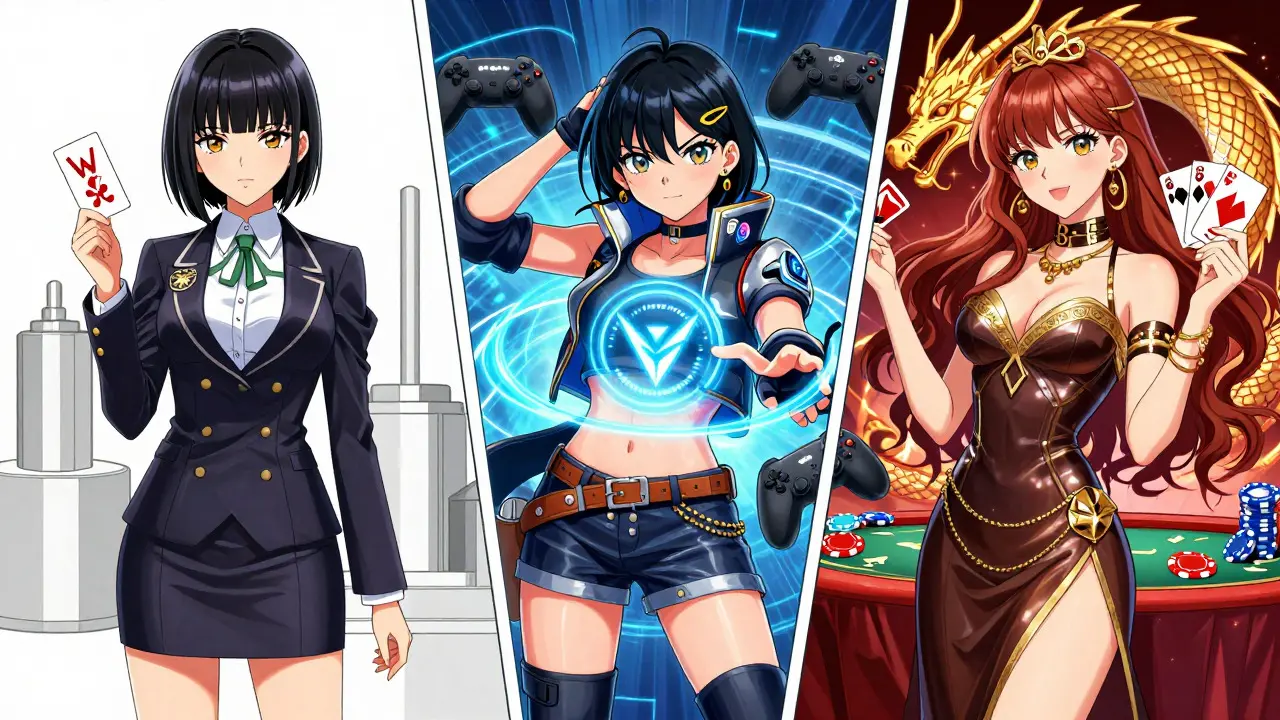
Before diving into the details, here is the quick reality check. When people talk about WIN, they are usually referring to one of these three:
- Win Blockchain (Connect United): A governance and reward token launched in 2018.
- WinkLink (TRON): An oracle and gaming utility token on the TRON network.
- WinX.io (Sui): A casino utility token built on the Sui blockchain.
There is also a fourth entry called WinToken with zero circulating supply, which we can safely ignore for now. Let's look at the big three.
1. Win Blockchain (Connect United): The Governance Token
This is often the first result when you search for WIN on major aggregators like CoinGecko or CoinMarketCap. It runs on its own chain, the Win Blockchain, which is associated with a project called Connect United.
Launched in 2018, this WIN token was designed to avoid the traditional Initial Coin Offering (ICO) model. Instead, it was minted directly on the blockchain to emphasize community ownership. Its primary jobs are governance and digital rewards. You use WIN to vote on platform decisions, stake for yields, access decentralized finance (DeFi) apps, and interact with NFTs within their ecosystem.
| Metric | Value |
|---|---|
| Blockchain | Win Blockchain (Native) |
| Circulating Supply | ~40 Billion |
| Market Cap | ~$5 Million USD |
| Primary Use | Governance, Staking, Rewards |
The market cap hovers around $5 million, making it a micro-cap asset. Liquidity is thin. Most trading happens on decentralized exchanges (DEXs) like DODO and Uniswap V3/V4 on Ethereum. If you trade here, expect wide spreads and lower volume compared to major coins. It is a niche play for those interested in the specific Connect United ecosystem.
2. WinkLink (TRON): The Oracle & Gaming Powerhouse
If you are looking for higher liquidity and a more established infrastructure role, you likely want WinkLink. This WIN token lives on the TRON blockchain as a TRC20 token.
WinkLink is not just a game token; it is critical infrastructure. It powers an oracle network that brings real-world data onto the blockchain. Developers pay WIN to nodes to get trusted data feeds, and node operators earn WIN as rewards. This creates a circular economy where the token has actual utility beyond speculation.
Additionally, WinkLink supports various dApps, including prediction markets and gaming platforms. Because of this dual role (oracle + gaming), it has significantly higher adoption than the Win Blockchain version. The circulating supply is massive-approaching 994 billion tokens according to some trackers-which keeps the per-token price low (often under $0.0001). However, the daily trading volume is much healthier, frequently exceeding $7 million.
For investors, this distinction matters. WinkLink’s value is tied to the usage of TRON-based smart contracts that need reliable data. If TRON gaming grows, WinkLink tends to benefit.
3. WinX.io (Sui): The New Casino Token
The newest player in the WIN arena is the token powering WinX.io, a casino built on the Sui blockchain. This is a completely different asset from the other two.
WinX.io bills itself as the first licensed casino on Sui, backed by lead investment from the Sui Foundation. The WIN token here is strictly a utility token for this specific gambling platform. You use it to place bets, enter tournaments, and potentially earn rewards within the casino.
The metrics reflect its early stage. The circulating supply is around 1.8 billion tokens, and the market cap is relatively small, often under $200,000 USD equivalent. Trading volume is modest. This token is high-risk/high-reward. Its success depends entirely on whether WinX.io gains traction among Sui users and whether the regulatory landscape for crypto casinos remains favorable.
How to Avoid Buying the Wrong WIN
Because all three use the ticker WIN, mistakes happen easily. Here is how to protect yourself:
- Check the Contract Address: Never buy based on the ticker alone. Copy the contract address from the official project website or a verified aggregator page (like CoinGecko) and paste it into your wallet before swapping.
- Identify the Network: Are you on TRON? Then you are dealing with WinkLink. Are you on Sui? You are looking at WinX.io. If you are bridging to Ethereum or using a multi-chain wallet, verify the chain tag carefully.
- Verify the Exchange: Major centralized exchanges rarely list the micro-cap Win Blockchain WIN. If you see WIN on a large exchange, it is more likely to be the TRON-based WinkLink or a new listing. Always read the fine print on the exchange page.
Which WIN Should You Choose?
Your choice depends on what you believe in:
- Choose WinkLink (TRON) if you want exposure to blockchain infrastructure, oracles, and have a preference for the TRON ecosystem’s high-speed, low-cost transactions. It has the most robust utility and liquidity.
- Choose WinX.io (Sui) if you are bullish on the Sui blockchain specifically and enjoy online gaming/casinos. It is a speculative bet on a single application’s success.
- Choose Win Blockchain (Connect United) only if you are deeply involved in their specific DeFi and NFT ecosystem. For general investors, the low liquidity and lack of major exchange listings make it harder to exit positions quickly.
Remember, crypto markets move fast. Prices and rankings change daily. Always do your own research (DYOR) and never invest more than you can afford to lose.
Is Win (WIN) coin a good investment?
Whether WIN is a good investment depends entirely on which version you buy. WinkLink (TRON) offers utility through oracle services and gaming, providing a stronger fundamental basis. WinX.io (Sui) is a high-risk play on a specific casino app. The Win Blockchain (Connect United) token is a micro-cap with low liquidity. None are blue-chip assets like Bitcoin or Ethereum, so they carry higher risk.
What is the difference between WinkLink and Win Blockchain?
They are completely different projects. WinkLink runs on the TRON blockchain and serves as an oracle provider and gaming utility token with high liquidity. Win Blockchain is its own chain focused on governance and digital rewards, with much lower trading volume and market capitalization.
Can I buy WIN on Coinbase or Binance?
Availability varies. WinX.io (Sui) is tracked by Coinbase but may not be tradable there directly. WinkLink (TRON) is often available on various exchanges supporting TRC20 tokens. The Win Blockchain (Connect United) WIN is primarily traded on decentralized exchanges like Uniswap and DODO, not major centralized platforms.
Why are there multiple WIN tokens?
The ticker symbol "WIN" is not unique to one project. Different teams launched projects with similar names or chose the same short ticker for branding purposes. In crypto, tickers are not regulated globally, leading to overlaps. Always verify the contract address to ensure you are buying the correct asset.
What is the total supply of WIN tokens?
This depends on the specific token. Win Blockchain (Connect United) has a supply of around 40 billion. WinkLink (TRON) has a circulating supply nearing 994 billion. WinX.io (Sui) has a circulating supply of approximately 1.8 billion. These differences significantly impact the price per token.