

It is July 2026. If you are searching for the Shield DAO airdrop right now, here is the hard truth: The original SLD token airdrop ended in September 2021. You cannot claim it today. The window closed over five years ago. But if you missed it then, or if you are trying to understand what went wrong with your wallet back in the day, this guide explains exactly how that distribution worked, why it failed for some users, and what the current state of the Shield ecosystem actually looks like.
The confusion often stems from two different projects using similar names. There is the original ShieldEX, which rebranded to Shield Protocol and focused on decentralized derivatives trading. Then there is a newer entity sometimes called Shield Protocol that focuses on cross-blockchain 2FA security. They are not the same. The SLD token belongs to the first one-the derivatives platform. Let’s break down the history, the mechanics, and the lessons learned from that specific event.
The Historical Context: ShieldEX and the Derivatives Gap
To understand the airdrop, you have to look at where DeFi was in 2021. Most protocols were offering simple lending or swapping. Traders wanted leverage and options, but doing this on-chain was messy. You had to manually "roll" positions-closing an expiring contract and opening a new one-which cost gas fees and introduced slippage risk.
Shield Protocol aimed to solve this with Perpetual Options. These were long-term on-chain options that didn’t require manual rolling. To build liquidity and attract early adopters to this complex infrastructure, they launched the SLD token airdrop. It wasn’t just about giving away free money; it was about rewarding the people who helped test the network before it went live.
Who Actually Qualified? The Eligibility Checklist
You couldn’t just connect a wallet and click a button. The Shield team wanted genuine engagement. Here is who got the tokens:
- Testnet Users: People who interacted with the Shield Kovan (Ethereum testnet) and BSC (Binance Smart Chain) testnet environments.
- ITO Applicants: Those who submitted applications for the Initial Token Offering.
- Bug Bounty Hunters: Participants in the 1st and 2nd Bug Bounty Programs. This was crucial because it rewarded security contributions, not just clicking.
- Campaign Participants: Users who engaged in the Shield Gleam Series Campaigns.
If you did none of these things in mid-2021, you were never eligible. No amount of searching today will change that. The snapshot was taken based on on-chain activity during that specific period.
The Claiming Process: Why It Was Complicated
This is where most people ran into trouble. The campaign ran from August 5, 2021, to September 12, 2021. That sounds like plenty of time, but the technical requirements tripped up many users.
Here is the step-by-step process that eligible users had to follow:
- Connect MetaMask: Users had to visit the official Shield airdrop claim page and connect their MetaMask wallet.
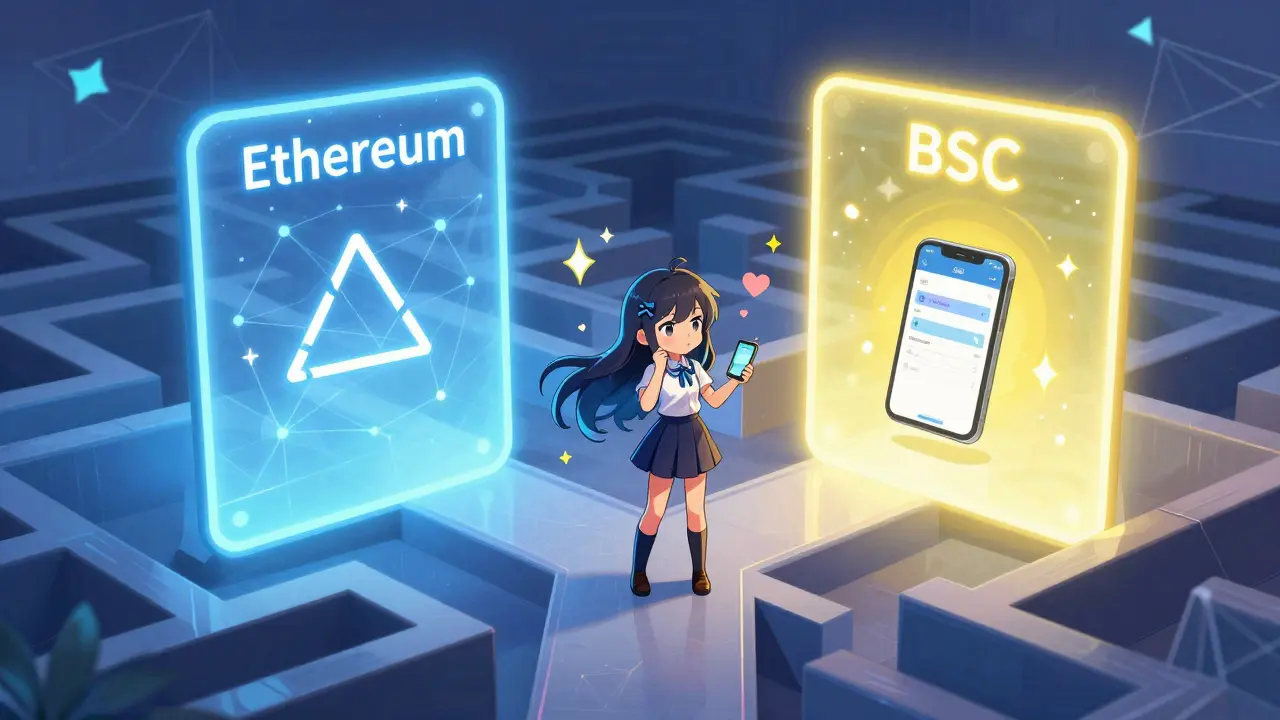
- Switch Networks: This was the killer. Even though the project was built on Ethereum, the claiming interface required users to switch their MetaMask network to Binance Smart Chain (BSC).
- Claim Rewards: Once on BSC, users could see their balance and claim the SLD tokens.
Why BSC? Likely to reduce gas costs for the claiming transaction itself. But for users unfamiliar with multi-chain operations, switching networks felt risky or confusing. Many people simply didn’t know how to add the BSC network to their wallet or feared they would lose their Ethereum assets by switching. As a result, a significant portion of the allocated tokens went unclaimed.
What Happened to Unclaimed Tokens?
When the deadline hit on September 12, 2021, any SLD tokens that hadn’t been claimed were not lost forever. They were redistributed to a community pool. This means the total supply circulating in the market decreased slightly, concentrating value among those who successfully navigated the claim process. Today, CoinMarketCap lists the circulating supply as 0, which suggests either the token has been fully consolidated, burned, or delisted from major trackers due to lack of active trading volume.
Comparison: Shield vs. Modern Airdrop Strategies
Looking back from 2026, the Shield approach seems very different from how airdrops work today. Back then, it was a one-time event. Now, we see platforms like Skyren DAO, which operate as ongoing airdrop collection services. Skyren uses AI-driven governance to farm airdrops from multiple projects, aiming for high APYs through diversified strategies. Shield’s model was static: do X tasks, get Y tokens, done.
| Feature | Shield SLD (2021) | Modern DAOs (e.g., Skyren) |
|---|---|---|
| Duration | One-time event (Aug-Sep 2021) | Ongoing accumulation strategy |
| Eligibility | Testnet usage, bug bounties | Staking, farming, governance participation |
| Network Complexity | Required switching to BSC for claims | Often multi-chain automated tools |
| Goal | Bootstrap derivatives protocol | Generate yield via airdrop farming |

The Confusion: Two Shields, One Name
If you are looking at news from 2024 or 2025 mentioning "Shield Protocol," be careful. There is a newer project also calling itself Shield Protocol, but it focuses on Cross-Blockchain 2FA Security. This platform aims to replace centralized authentication servers from companies like Amazon Web Services and Google Cloud with blockchain-based verification. They have announced NFT mystery boxes and gaming platforms (Shield SWAG). This is completely unrelated to the SLD token and the derivatives exchange. Do not confuse the two. The SLD token is tied to the old derivatives project, not the new security platform.
Key Takeaways for Investors Today
So, what can you learn from the Shield DAO airdrop? First, always check the dates. In crypto, timing is everything. Second, pay attention to network requirements. If an airdrop asks you to switch chains, make sure you understand why and how to do it safely. Third, verify the project identity. With so many rebrands and name similarities, ensuring you are interacting with the correct contract address is vital. The SLD contract address was 0x1ef6...95a084 on Ethereum. Any other address claiming to be SLD is likely a scam.
The Shield derivatives project represented an ambitious attempt to bring institutional-grade options trading to DeFi. While the airdrop itself is history, the lessons about user experience, multi-chain complexity, and clear communication remain relevant for anyone participating in modern crypto distributions.
Can I still claim the Shield DAO SLD airdrop in 2026?
No. The Shield DAO airdrop claiming period ended on September 12, 2021. All unclaimed tokens were redistributed to the community pool at that time. There is no way to claim them now.
What is the difference between Shield Protocol and ShieldEX?
ShieldEX was the original name of the decentralized derivatives platform that issued the SLD token. It later rebranded to Shield Protocol. However, there is now a separate, unrelated project also called Shield Protocol that focuses on 2FA security. The SLD token is associated with the original derivatives project, not the new security platform.
Why did the Shield airdrop require switching to Binance Smart Chain?
The claiming interface required users to switch their MetaMask wallet to the Binance Smart Chain (BSC) network. This was likely done to reduce gas fees for the claiming transaction, as Ethereum gas prices were extremely high in 2021. However, this created confusion for users unfamiliar with multi-chain operations.
Is the SLD token still tradable?
Current data shows the circulating supply of SLD as 0, indicating it may be delisted from major exchanges or inactive. Always verify the contract address (0x1ef6...95a084) if you encounter any listings, as fake tokens are common.
How does Shield's Perpetual Options differ from regular futures?
Regular futures contracts expire and must be manually rolled over to maintain position, incurring fees and slippage. Shield's Perpetual Options were designed to be long-term on-chain options that did not require manual rolling, simplifying the trading experience for derivatives users.